Best Height to Mow Grass in Wisconsin (Kenosha Lawn Guide)
Best height to mow grass is something every Kenosha homeowner should know, because keeping the lawn at the right height is key to maintaining a healthy, green yard in our cool-season climate. This guide is written specifically for homeowners in Kenosha, Pleasant Prairie, Somers, Bristol, and surrounding areas.
Here’s what you’ll learn in this guide:
- ✅ The perfect mowing height for Wisconsin’s cool-season grasses (like Kentucky bluegrass, fescue, and ryegrass)
- 🌦️ How mowing height changes with the seasons (spring, summer, and fall)
- ⚙️ Simple mowing tips to keep your grass healthy, thick, and weed-free
- 🚫 Common mistakes to avoid, like mowing too short or cutting when the grass is wet
💪 Pro secrets for getting that professional “striped” lawn look without stressing your turf
Why the Best Height to Mow Grass Matters
Maintaining the right mowing height helps your lawn:
- Grow deeper, stronger roots that survive heat and drought
- Stay greener through Kenosha’s changing weather
- Resist weeds like crabgrass and dandelions
- Fight off diseases common in Wisconsin’s humid climate
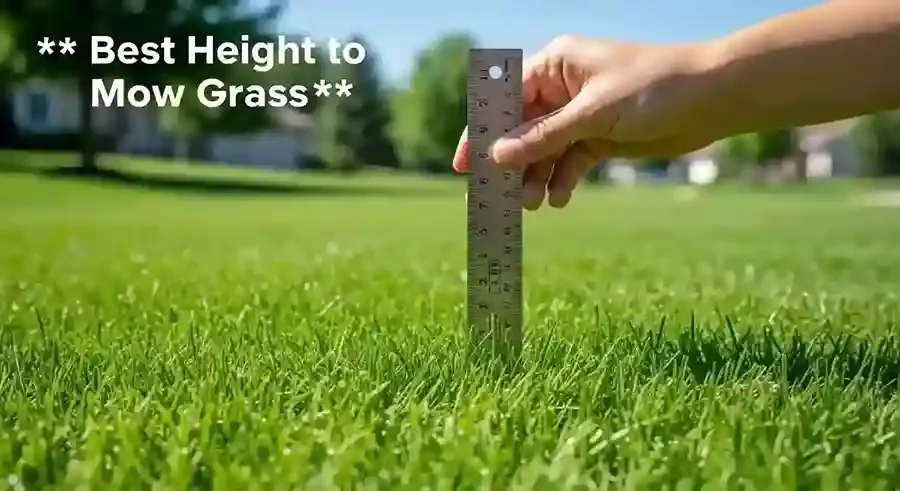
When in doubt, 3 to 4 inches is the sweet spot for most Kenosha lawns.
Root Health and Drought Resistance
- Taller grass means deeper roots, and deeper roots can reach more water and nutrients.
- When you mow too short, the roots shrink, making your lawn weaker during hot or dry weather.
- Keeping your mower height around 2.5 to 3.5 inches (for most Wisconsin lawns) helps your grass stay strong and survive summer stress.
Weed Prevention and Soil Protection
- A thicker, taller lawn naturally shades the soil, blocking sunlight from reaching weed seeds.
- Proper mowing height keeps your grass dense enough to crowd out weeds like crabgrass and dandelions.
- It also helps retain soil moisture, preventing dry patches and erosion.
Faster Recovery After Mowing or Stress
- When grass is mowed too short, it takes longer to recover; leaving it vulnerable to disease and pests.
- Keeping a healthy height gives your lawn more leaf surface for photosynthesis, helping it bounce back faster after mowing or foot traffic.
Think of it like giving your lawn the energy it needs to heal and grow stronger after stress.
Ideal Mowing Height for Wisconsin Grass Types
So before you start up your mower this season, let’s break down exactly how tall your grass should be, and why cutting it right can transform your Kenosha lawn into one of the best-looking yards on the block.
Grass Type | Ideal Mowing Height (in inches) | Pro Tip for Homeowners in Wisconsin |
|---|---|---|
Fine Fescue | 1½ – 2½ inches | Shade-tolerant; perfect for Kenosha’s partial-sun yards. Keep a bit taller in summer. |
Kentucky Bluegrass | 2½ – 3½ inches | Wisconsin’s favorite turfgrass! Taller mowing keeps it greener and protects roots. |
Perennial Ryegrass | 1½ – 2½ inches | Grows fast; mow often and maintain a moderate height for best results. |
Tall Fescue | 2½ – 4 inches | Excellent for drought resistance and durability in Southeastern Wisconsin. |
Bentgrass | ¼ – ¾ inch | Ultra-short; mostly used on golf courses, not typical for home lawns. |
Bermudagrass | 1½ – 2½ inches | Loves heat, rarely used in Wisconsin, better for southern lawns. |
Centipedegrass | 1½ – 2 inches | Low-maintenance grass; not suited for Wisconsin’s cold winters |
St. Augustinegrass | 2½ – 4 inches | Warm-season variety, not cold-hardy enough for Wisconsin lawns. |
Zoysia grass | ¾ – 2½ inches | Prefers heat; can survive Wisconsin summers but goes dormant in cold. |
How Weather Affects Mowing Height in Kenosha
Kenosha’s weather can swing fast between cool lake breezes and sudden heat waves. Here’s how to set your mower through the seasons.
Spring (Early Growth)
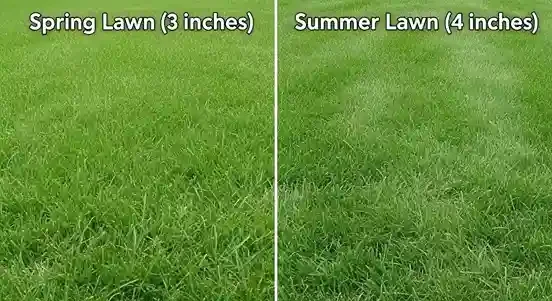
- Set mower to 2.5–3 inches
- Helps remove winter damage and encourages fresh growth
- Mow regularly; spring grass grows quickly
✅ Pro Tip: Spring rains can make grass grow fast. Mow regularly to avoid removing more than one-third of the blade each time.
Summer (Heat & Drought)
- Raise cutting height to 3.5–4 inches
- Taller grass shades roots and helps it stay green longer
- Essential during hot July and August weeks
✅ Pro Tip: If a dry spell hits, skip mowing until your lawn greens up again. Cutting dormant grass can cause damage that takes weeks to heal.
Fall (Preparing for Winter)
- Helps prevent snow mold
- Lower height to 2.5–3 inches
- Bag clippings during final cuts to reduce debris under snow
✅ Pro Tip: Bag your clippings during the last few mows. It helps clear up leaves and reduces the chance of disease heading into winter.
Winter (After Mid October)
- Stop mowing
- Cutting can damage the crowns of your grass
- Give your mower a proper clean-up and blade sharpening before storing it for winter
✅ Pro Tip: Avoid walking on frozen or snow-covered grass, it can break brittle blades and leave brown footprints come spring.
Common Mowing Mistakes to Avoid
Even if you mow regularly, a few small mistakes can keep your lawn from looking its best. Here are the most common mowing errors Kenosha homeowners make and how to fix them for a thicker, greener yard.
Cutting Grass Too Short (Scalping)
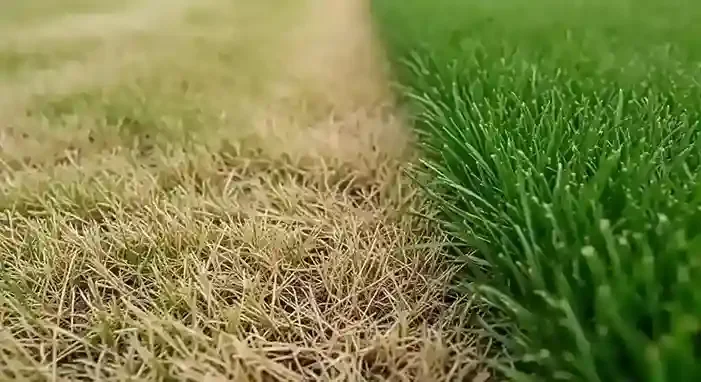
- Mowing too low might look tidy, but it stresses your grass and exposes the soil to heat and weeds.
- Scalping removes too much of the leaf blade, forcing your grass to use its stored energy to recover instead of grow.
- Always aim to leave at least 2.5–3 inches for cool-season grasses like Kentucky bluegrass and fescue.
Kenosha Lawn Pro Tip: If your lawn has hills or uneven spots, raise your mower deck slightly to avoid scalping the high areas.
Using Dull Mower Blades
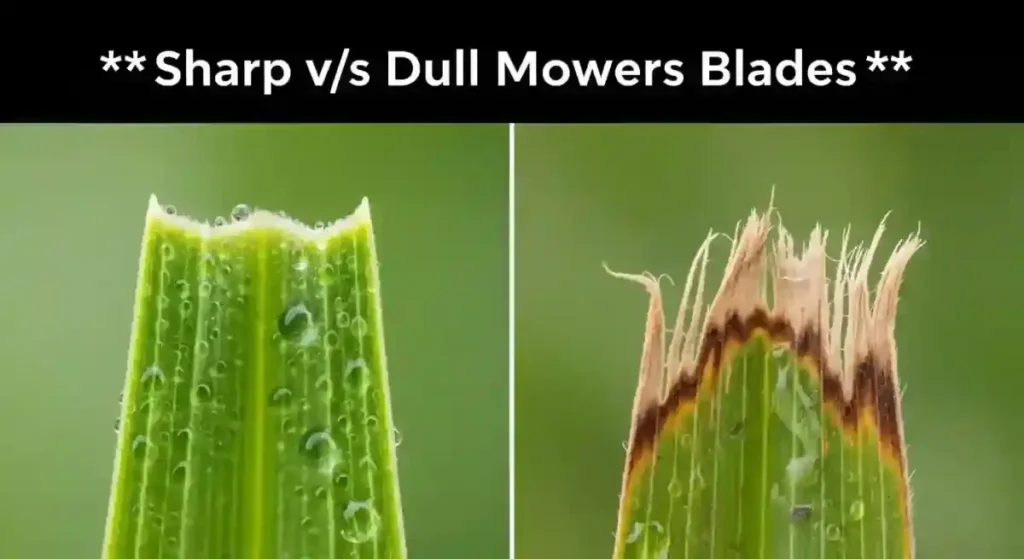
- Dull blades tear the grass instead of cutting it cleanly. Torn tips turn brown, giving your lawn a patchy, unhealthy look.
- Sharpen your blades every 20–25 mowing hours or at least twice per season.
- Clean blades also reduce disease spread between mowing sessions.
Kenosha Lawn Pro Tip: After hitting sticks or rocks, check your blades, even small nicks can cause frayed cuts that dull your lawn’s shine.
Mowing Wet Grass
- Wet grass clumps together, causing uneven cuts and clogging your mower deck.
- It also increases the chance of tearing blades and leaving ruts in soft soil.
- Wait until your lawn is dry to the touch for the best results and cleaner lines.
🟢 Kenosha Lawn Pro Tip: If you must mow damp grass, raise your mower one notch and mow slowly to reduce clumping.
Ignoring the One‑Third Rule
- The golden rule of mowing: never remove more than one-third of the grass blade at once.
- Cutting too much shocks the grass, weakens roots, and can lead to brown patches or stress.
- Frequent, light mowing keeps your lawn lush, even, and strong throughout Kenosha’s growing season.
🟢 Kenosha Lawn Pro Tip: During fast-growing weeks in spring, mow every 4–5 days instead of once a week, it’s the easiest way to follow the one-third rule.
Mulching vs Bagging Grass Clippings
Mulching (Recommended)
Pros of Mulching:
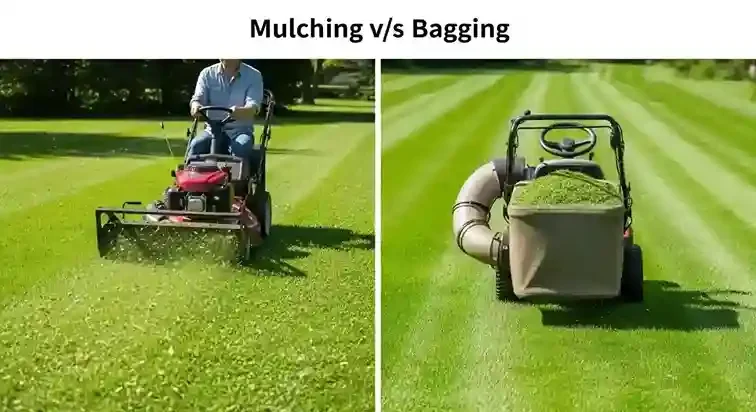
- Mulching chops clippings into tiny pieces and returns nutrients to the soil, feeding your lawn naturally.
- It helps the soil retain moisture during hot Wisconsin summers.
- Reduces the need for fertilizer since clippings add nitrogen and organic matter back into the ground.
- Saves time and effort — no bags to dump or haul away!
Cons of Mulching:
- Can leave clumps if the grass is too wet or too tall when mowing.
- Requires a sharp mower blade and regular mowing to work best.
Environmental Benefit:
Mulching is a great way to recycle nutrients naturally and keep yard waste out of Kenosha landfills. It’s one of the simplest ways to make your lawn care routine more sustainable.
Kenosha Lawn Pro Tip: Mulch when the grass is dry and no more than one-third of the blade is being removed, it blends in perfectly without clumping.
Bagging (Use only when needed)
Pros of Bagging:
- Leaves your lawn looking extra clean and tidy.
- Helps remove weeds, seeds, or diseased clippings, keeping them from spreading.
- Useful when your grass has overgrown or after heavy rain when clippings clump up.
Cons of Bagging:
- Removes nutrients that would otherwise return to the soil.
- More time-consuming and requires disposing or composting the clippings.
Best Time to Bag:
- After treating your lawn for fungus or disease.
- When dealing with weedy patches that you don’t want to spread.
- During the final fall mow, to collect leaves and prevent snow mold.
Kenosha Lawn Pro Tip: If you bag, compost your clippings instead of tossing them — it’s an easy way to turn waste into nutrient-rich soil for garden beds.
How to Prep Your Mower for the Season
Before the first mow of the year, it’s smart to give your mower some attention. A well-maintained mower doesn’t just last longer, it also helps you achieve a cleaner cut, which leads to a healthier, greener lawn all season long.
Blade Sharpening and Cleaning
- Sharpen your mower blades before spring mowing begins. Dull blades tear grass instead of cutting it, leaving brown tips and increasing disease risk.
- Use a file or grinder to create a sharp, even edge — or take your blade to a local Kenosha hardware shop for professional sharpening.
- Clean the mower deck after every few uses to remove stuck grass and debris. A clean deck improves airflow and prevents clumping when you mulch.
Tip: If you mow often, sharpen your blade two or three times a season. A sharp blade gives that crisp, “fresh haircut” look your lawn deserves.
Adjusting Cutting Height Settings
- Check that your mower’s height settings are accurate and even on all four wheels. Uneven blades can create scalped or patchy spots.
- For most Wisconsin lawns, set the height around 2.5–3 inches in spring and 3.5–4 inches in summer.
- Always adjust the mower while it’s off and cool to the touch.
Tip: Test your mower height on a small patch first, it helps you see how much grass you’re cutting before you commit to the whole yard.
Safety and Tune-Up Tips
- Before each season, check your oil, air filter, and spark plug — clean or replace them as needed.
- Inspect the fuel line for cracks and make sure your gas is fresh, not leftover from last year.
- Tighten any loose bolts or handles and make sure all safety guards are in place.
- Always disconnect the spark plug wire before doing any maintenance to prevent accidental starts.
Tip: Keep a small “mower tune-up kit” handy, extra spark plugs, oil, and filters can save you a weekend trip to the store when you’re ready to mow.
Pro Mowing Tips for a Professional Look
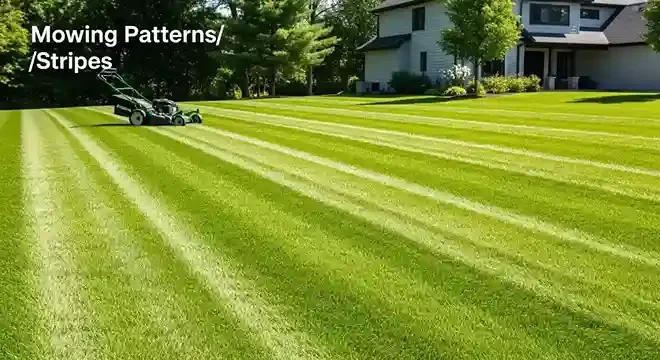
Alternate Mowing Directions
- Don’t mow in the same direction every time; switch it up!
- Changing your mowing pattern prevents grass from leaning in one direction and helps it grow upright and strong.
- It also reduces soil compaction and keeps wheel tracks from forming.
- Try mowing north–south one week and east–west the next for an even, striped look.
Tip: For an eye-catching finish, mow diagonally across your lawn every few cuts, it helps blend stripes and gives that “pro landscaper” look.
Water Smart
- Avoid mowing wet grass. Wait until your lawn is dry to prevent clumping and uneven cuts.
- If your grass is extremely dry, lightly water it a few hours before mowing, this helps blades stay flexible and reduces tearing.
- After mowing, deep watering encourages recovery, especially during hot Kenosha summers.
Tip: Water early in the morning, not right after sunset. This prevents disease from forming on damp grass overnight.
Adjust Frequency
Mow based on growth, not the calendar. Shaded or fertilized areas may need extra attention.
- The golden rule: Mow when the grass grows about one-third taller than your target height.
- During spring and early summer, that might mean mowing every 4–5 days.
- In mid-summer heat, growth slows, so mowing once a week or every 10 days may be enough.
- Fall growth picks up again, return to mowing weekly until the season ends.
Tip: Don’t stick to a fixed schedule, adjust based on your lawn’s growth. Fast-growing areas (like shady or fertilized spots) might need an extra mow between regular cuts.
Ready to Take the Hassle Out of Mowing?
Tired of spending your weekends behind the mower? Let Preme Landscaping handle the hard work while you sit back and enjoy a perfectly cut, healthy lawn, all season long.
We provide professional lawn mowing and maintenance services across Kenosha, Pleasant Prairie, Somers, and surrounding Wisconsin areas.
Why Homeowners Choose Preme Landscaping & Lawn Care
✅ Affordable, transparent pricing — quality service without breaking the bank.
✅ Reliable, on-time mowing schedule so your lawn always looks its best.
✅ Expert care for Wisconsin lawns — we know exactly how to handle Kenosha’s unique climate and grass types.
✅ Complete maintenance solutions — mowing, trimming, edging, and cleanup included.
📞 Call us today at (262) 360-0202 or click below to schedule your first mow!
👉 [Get a Free Quote] or [Book Lawn Mowing Service]
Serving Your Neighborhood:
Kenosha • Pleasant Prairie • Somers • Bristol • Mount Pleasant • Racine • and nearby communities.
Related Lawn Care Guides for Kenosha Homeowners
Want to keep your lawn looking its best all year long? Check out these helpful, expert-written guides, each tailored to Wisconsin’s unique climate and Kenosha-area lawns.
When to Aerate and Overseed in Wisconsin’s Growing Season
Learn the best time of year to aerate and overseed your cool-season grass. Proper timing improves root growth, fills in bare spots, and helps your lawn stay lush and healthy through summer.
How to Prepare Your Lawn for Winter in Kenosha
Get step-by-step tips on winterizing your lawn before the cold hits. From the last mow of the season to protecting your turf from snow mold, we’ll help your grass bounce back strong in spring.
Lawn Fertilization Schedule for Southeastern Wisconsin
Follow our Wisconsin-specific fertilization calendar to feed your grass at the right times. Learn what nutrients your lawn needs in spring, summer, and fall for vibrant, weed-resistant growth.
How to Check Soil pH in Kenosha, WI (2026 Guide) | PH Meter
The easiest way to grow healthier grass and vegetables is simple: Check soil pH, correct it gradually, and retest often.