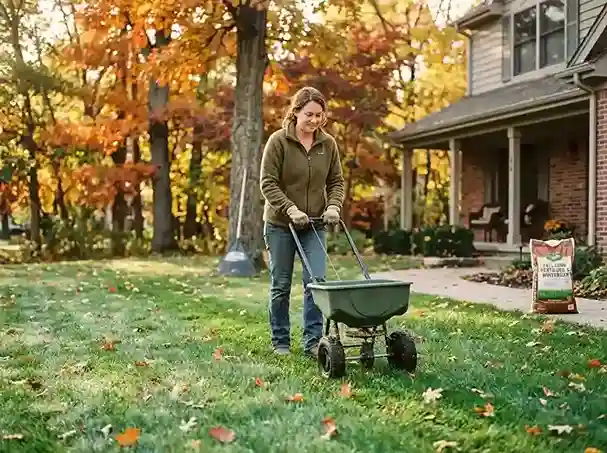
When to Aerate and Overseed in Wisconsin’s Growing Season
A lush, vibrant green lawn is the crown jewel of any Wisconsin home. But maintaining that picture-perfect turf takes more than regular mowing and watering. Two essential lawn care practices aeration and overseeding can completely transform the health, resilience, and appearance of your grass.
The real secret, however, isn’t just what to do; it’s when to do it. Understanding when to aerate and overseed in Wisconsin’s growing season can make all the difference. From the frosty goodbye of winter to the humid days of summer and the crisp air of fall, each season offers unique opportunities and challenges for your turf. Get the timing right, and your lawn will develop stronger roots, resist disease, and stay thick and green all year long.
After eight years of helping Wisconsin homeowners master their lawn care routines, I’ve seen firsthand how crucial timing truly is. This comprehensive guide will walk you through the best time to aerate and overseed your lawn, key factors to consider, and expert tips tailored to Wisconsin’s unique climate and soil.
Let’s dig in your healthiest, most beautiful lawn yet starts with knowing when to aerate and overseed.
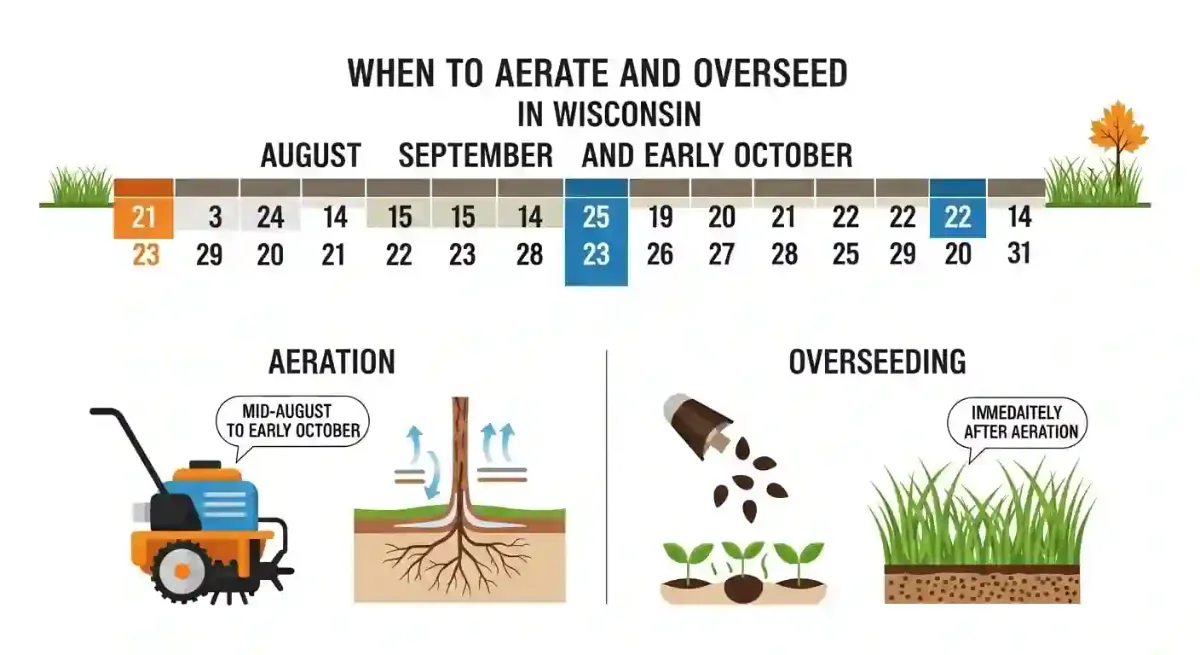
When to Aerate in Wisconsin (Spring vs. Fall)
Aeration is the process of creating small holes in your lawn to alleviate soil compaction, allowing air, water, and nutrients to penetrate the grass roots more effectively. For cool-season grasses, which dominate Wisconsin lawns, timing is paramount.
Fall Aeration: The Gold Standard
For most Wisconsin homeowners, late summer to early fall is the absolute best time to aerate. This typically falls between late August and early October, before the ground freezes solid. Here’s why:
- Cool-Season Grass Recovery: Wisconsin lawns are predominantly made up of cool-season grasses like Kentucky Bluegrass, Perennial Ryegrass, and Fescues. These grasses experience significant stress during the hot, often dry, summer months. Fall aeration helps them recover by improving access to water and nutrients as they enter their vigorous growth period.
- Optimal Soil Temperature: During this window, soil temperatures are typically between 50-65°F (10-18°C) – ideal for root growth and quick recovery from the aeration process.
- Weed Suppression: Many common broadleaf weeds are less active in the fall, reducing the chances of weed seeds germinating in the newly opened soil cores.
- Perfect for Overseeding: Fall aeration creates an excellent seedbed for overseeding, which is often done immediately after aeration. The holes protect new grass seeds, ensuring better seed-to-soil contact and higher germination rates.
Spring Aeration: A Secondary Option, with Caveats
While not ideal, spring aeration can be done, usually between late April and early June, after the soil has thawed and before the full heat of summer sets in. However, there are significant drawbacks:
- Weed Seed Germination: Spring is prime time for many weed seeds to germinate. Aerating in spring can bring dormant weed seeds to the surface, encouraging their growth.
- Pre-Emergent Conflict: If you apply a pre-emergent herbicide in spring to prevent crabgrass and other weeds, aerating afterwards will break the herbicide barrier, making it ineffective. You’d have to choose between aerating or applying pre-emergent. If you must aerate in spring, do it before applying any pre-emergent.
- Summer Stress: Grass aerated in spring will face the stress of summer heat shortly after. While it helps, the recovery window is shorter and more challenging compared to fall.
Regional Variation Tip: Homeowners in Northern Wisconsin (USDA Hardiness Zones 3b-4b) may find their optimal fall aeration window slightly earlier (late August to mid-September) compared to Southern Wisconsin (Zones 5a-5b), where the ground stays warmer longer (mid-September to early October). Always monitor local soil temperatures for the most accurate timing.
When to Overseed in Wisconsin (Ideal Windows)
Overseeding involves spreading new grass seed over your existing lawn to fill in bare spots, improve density, and introduce new, stronger grass varieties. Just like aeration, timing is everything.
Fall Overseeding: Unrivaled Success
Late August through September is the undisputed champion for overseeding in Wisconsin. This period offers a perfect trifecta of conditions for cool-season grasses:
- Optimal Soil Temperatures: Consistent soil temperatures between 50-65°F (10-18°C) are crucial for rapid germination and strong root development of grass seed. While air temperatures may be cooling, the soil retains warmth, providing an ideal nursery for new seedlings.
- Reduced Weed Competition: As with fall aeration, cool-season weeds are less aggressive in the fall, allowing new grass seedlings to establish without intense competition. Annual weeds like crabgrass are dying off.
- Favorable Moisture: Fall typically brings more consistent rainfall and less intense evaporation than summer, reducing the need for constant supplemental watering during the critical germination phase.
- Extended Growing Period: New grass has several weeks to establish strong roots before winter dormancy, giving it a significant head start for robust growth the following spring.
Impact of Specific Weather Patterns:
- Early Frost: If an early frost is predicted, try to overseed at least 4-6 weeks before the average first frost date to allow seedlings to mature enough to survive winter.
- Drought: Avoid overseeding during prolonged drought conditions unless you are committed to consistent, deep watering. Seeds need constant moisture to germinate.
- Warm Spells: While fall generally cools, unexpected warm spells can be managed with careful watering. The key is consistent moisture, not saturation.
Spring Overseeding: Use with Caution
Spring overseeding (April to early June) is generally discouraged for the same reasons as spring aeration: weed competition and conflict with pre-emergent herbicides. However, if you have severe bare spots that need immediate attention and missed the fall window, it can be done.
- Increased Watering Needs: Spring-seeded grass will face the full brunt of Wisconsin’s summer heat and potential drought conditions, requiring vigilant watering to survive.
- Pre-Emergent Restriction: You cannot use pre-emergents on a lawn you plan to overseed in spring, as they will prevent grass seeds from germinating. This leaves your lawn vulnerable to summer weeds.
Specific Grass Types Common in Wisconsin:
When overseeding, consider the types of grasses best suited for Wisconsin’s climate:
- Kentucky Bluegrass: The most common turfgrass in Wisconsin, known for its deep green color and ability to self-repair via rhizomes. Requires a longer germination time (14-30 days).
- Perennial Ryegrass: Germinates quickly (5-10 days), providing rapid establishment. Often used in mixes for quick cover and improved traffic tolerance.
- Fine Fescues (Creeping Red, Chewings, Hard Fescue): Excellent for shady areas or low-maintenance zones. More drought-tolerant. Germination typically 7-14 days.
- Tall Fescue: Known for its deep roots and drought tolerance. Becoming more popular in lawns that experience heavy foot traffic or drier conditions. Germinates in 7-14 days.
Often, a blend of these cool-season grasses offers the best resilience and appearance for a typical Wisconsin lawn, capitalizing on the strengths of each variety.
Benefits of Aeration and Overseeding
These two practices, especially when paired, offer a cascade of benefits for your turf:
- Relieves Soil Compaction: Over time, foot traffic, heavy machinery, and even rainfall compact the soil, squeezing out vital air pockets. Aeration creates new channels, allowing roots to breathe and grow deeper.
- Improves Water Penetration: Compacted soil often leads to water runoff. Aeration holes act as funnels, ensuring water reaches the root zone where it’s needed, reducing waste and promoting deeper hydration.
- Enhances Nutrient Uptake: With better air and water flow, fertilizers and natural soil nutrients can penetrate deeper and be more readily absorbed by grass roots, leading to more efficient feeding.
- Promotes Stronger Root Development: Deeper, healthier roots are the foundation of a resilient lawn. They make your grass more tolerant to drought, heat stress, and disease.
- Increases Turf Density: Overseeding fills in thinning areas, promoting a thicker, lusher lawn. A dense turf naturally crowds out weeds, reducing their ability to germinate and establish.
- Introduces Improved Grass Varieties: Over time, even the best lawns can decline. Overseeding allows you to introduce newer, more disease-resistant, and drought-tolerant grass cultivars, improving the overall health and appearance of your existing turf.
- Better Thatch Management: Aeration helps break down thatch (a layer of dead and living organic matter) by introducing soil microbes into the thatch layer, speeding up decomposition.
- Boosts Curb Appeal: A thick, healthy, uniformly green lawn is simply more attractive and can significantly increase your property’s curb appeal and value.
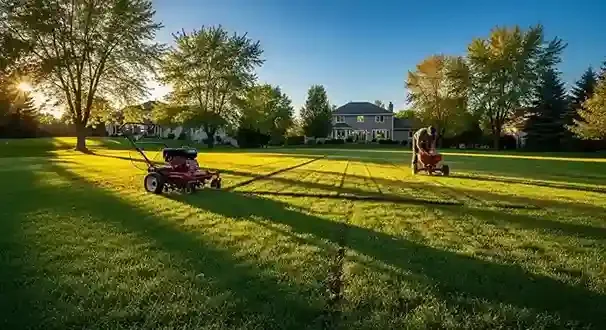
Factors Affecting Timing (e.g., Soil Temperature, Weather)
While general timelines provide a good starting point, several crucial factors can dictate the precise window for aeration and overseeding in Wisconsin.
1. Soil Temperature: The Ultimate Indicator
This is arguably the most critical factor. For cool-season grasses, new seed germination and root growth are optimal when soil temperatures are consistently between 50-65°F (10-18°C).
- How to Measure: You can purchase a soil thermometer from a garden center or online. Insert it 2-3 inches deep into the soil. For a broader picture, look up local university extension sites (like the UW-Madison Extension) or online resources that report soil temperatures for your specific area. These are often updated daily during the growing season.
- Consistent Readings: Don’t just rely on one day’s reading. Look for a consistent trend over several days.
2. Weather Patterns
Wisconsin’s weather can be notoriously fickle, and recent trends (like earlier heatwaves or late frosts) make paying attention crucial.
- Early Frost: If fall is projected to be unusually cold with early frosts, you’ll want to push your fall aeration/overseeding earlier to give new seedlings ample time to establish.
- Prolonged Drought: Avoid aerating and overseeding during extended dry spells, especially if you can’t commit to diligent watering. New seeds need consistent moisture.
- Excessive Rain: While some moisture is good, oversaturated soil can make aeration difficult and ineffective, potentially compacting rather than loosening the soil. Wait for the ground to be moist but not waterlogged.
- Warm Fall: If September and October remain unusually warm, it extends the ideal window, but also means continued weed pressure.
3. Regional Climate Differences within Wisconsin
Wisconsin is a large state, and its climate varies significantly from north to south.
- Northern Wisconsin (Zones 3b-4b): Areas like Bayfield, Vilas, and Florence counties experience colder winters and often have a shorter growing season. Fall soil temperatures will drop earlier here, so aim for late August to mid-September for aeration and overseeding.
- Central Wisconsin (Zones 4b-5a): Regions around Stevens Point, Eau Claire, and Green Bay offer a slightly longer window.
- Southern Wisconsin (Zones 5a-5b): Areas like Madison, Milwaukee, and Kenosha enjoy longer, warmer falls. You can typically push your timing to mid-September or even early October, as long as soil temperatures remain favorable.
Example: In early September, while Southern Wisconsin might still see daytime highs in the 70s°F and soil temperatures in the mid-60s°F, Northern Wisconsin could already be experiencing nights in the 40s°F, with soil temperatures dipping below the optimal range. Always check local forecasts and soil temperatures.
4. Grass Type
While most Wisconsin lawns are cool-season, specific blends can slightly influence timing. Faster-germinating seeds like Perennial Ryegrass offer a bit more flexibility if you’re pushing the later end of the window, whereas slower germinators like Kentucky Bluegrass require more lead time before winter.
Step-by-Step Guide to Aeration and Overseeding
Once you’ve determined the ideal timing, executing the process effectively is key.
Tools and Equipment Required for Aeration and Overseeding
Before you begin, it’s important to know when to aerate and overseed your lawn, typically in early fall when soil temperatures are cool and moisture levels are ideal. Once the timing is right, gather the following tools and materials:
- Core Aerator: A core aerator is essential for improving soil health. Rent a walk-behind aerator from Menards, Home Depot, Lowe’s, or local equipment rental companies. In Wisconsin, the rental cost usually ranges between $70–$120 for a half-day or full-day.
- Tip: Core aerators remove plugs of soil, allowing air, water, and nutrients to penetrate deep into the roots—far more effective than spike aerators, which can compact the soil further.
- High-Quality Grass Seed: Choose a cool-season grass seed blend suited to Wisconsin’s climate and your lawn’s conditions (sun, shade, or heavy foot traffic). Always opt for certified seed from reputable brands for the best germination and disease resistance.
- Broadcast or Drop Spreader: Use a spreader for even distribution of seed and fertilizer. This ensures uniform coverage and a thicker, healthier lawn after overseeding.
- Starter Fertilizer: Select a starter fertilizer formulated for new grass with a higher phosphorus content to promote strong root growth after aeration.
- Garden Hose and Sprinkler: Regular watering is critical. Use a hose and sprinkler system to keep the soil moist until seeds germinate—especially in the first few weeks.
- Lawn Mower: Before you aerate and overseed, mow your lawn slightly lower than usual to help the new seed make good contact with the soil.
The Process: DIY vs. Professional Service
1. Prepare Your Lawn (1-2 days before):
- Mow Low: Cut your grass shorter than usual (1.5-2 inches). This helps the aerator penetrate better and allows more light to reach the newly sown seeds.
- Water Thoroughly: Water your lawn deeply the day before aeration. The soil should be moist but not saturated. This makes it easier for the aerator to penetrate the ground and pull out clean plugs.
2. Aeration:
- Run the Aerator: Make 2-3 passes over your entire lawn, especially in high-traffic or compacted areas. Overlap each pass slightly to ensure comprehensive coverage.
- Leave the Cores: Don’t remove the soil plugs. They contain beneficial microorganisms and will break down naturally over a few weeks, returning nutrients to the soil.
3. Overseeding (Immediately After Aeration):
- Apply Seed: Using your broadcast or drop spreader, apply the grass seed evenly across the lawn. Refer to the seed package for the recommended overseeding rate. The aeration holes provide excellent seed-to-soil contact.
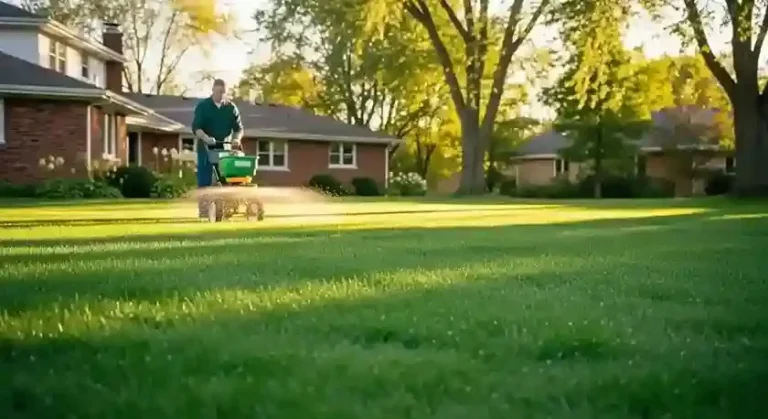
- Apply Starter Fertilizer: After seeding, apply a starter fertilizer. This provides essential nutrients for new seedling development without burning them.
Common Mistakes to Avoid:
- Aerating Dry Soil: Makes the job incredibly difficult and can damage your equipment.
- Skipping the Plugs: Removing the plugs defeats part of the purpose. Let them decompose.
- Using Weed & Feed Products: Many “weed and feed” products contain herbicides that will kill new grass seedlings. Always use a starter fertilizer for overseeding.
- Applying Too Much Seed: More isn’t always better. Over-seeding leads to competition among seedlings, resulting in weaker grass. Follow package directions.
- Insufficient Watering: This is the biggest killer of new grass.
- Aerating in Spring without Considering Pre-Emergents: A common pitfall for spring aerators.
Cost Analysis: DIY vs. Professional Services
DIY Cost Estimate
- Aerator Rental: $70–$120/day
- Grass Seed: $50–$150 (for a 50 lb bag, depending on seed type and lawn size)
- Starter Fertilizer: $30–$60
Total DIY Cost: Approximately $150–$330
Pros: Cost-effective, full control over the process.
Cons: Labor-intensive, requires equipment rental and some lawn care knowledge.
Professional Service Cost
For an average ¼-acre lawn, professional aeration and overseeding in Wisconsin typically costs between $250–$600, depending on property size and service scope. This often includes labor, specialized equipment, premium grass seed, and starter fertilizer.
Pros: Convenient, performed by trained experts, ensures consistent and reliable results.
Cons: Higher upfront cost.
Many Wisconsin homeowners choose the DIY approach if they enjoy hands-on lawn care, while others prefer the professional route for peace of mind and guaranteed results, especially for larger or more challenging lawns.
Ready to give your lawn the care it deserves?
Contact Preme Landscaping & Lawn Care today to schedule your aeration and overseeding service. Our local experts know exactly when and how to treat Wisconsin lawns for lasting health and beauty.
Post-Aeration and Overseeding Lawn Care
The work isn’t over once the seed is down. The first few weeks are critical for successful germination and establishment.
- Watering is Paramount:
- Consistent Moisture: For the first 2-3 weeks, new grass seed needs to be kept consistently moist, not waterlogged. Water lightly 2-3 times a day for 5-10 minutes (or until the top inch of soil is moist), especially during dry or warm periods.
- Deeper Watering: Once seeds germinate and seedlings are about an inch tall, you can gradually transition to less frequent but deeper watering (once a day, then every other day, etc.). This encourages deeper root growth.
- Avoid Puddling: Don’t let water puddle or wash seeds away.
- Fertilization (Starter Fertilizer):
- You should have applied a starter fertilizer immediately after seeding. This provides the ideal nutrient balance (higher phosphorus for root development) for young seedlings. Avoid standard lawn fertilizers that are high in nitrogen, as they can burn tender new growth.
- Mowing:
- Delay Mowing: Wait until new seedlings are at least 3-4 inches tall and established enough to withstand mowing. This is typically 3-4 weeks after overseeding.
- High Mowing Height: When you do mow, set your mower to a higher height (3-4 inches). Never remove more than one-third of the grass blade at a time.
- Sharp Blades: Ensure your mower blades are sharp to avoid tearing young grass.
- Weed Control:
- No Herbicides: Avoid applying any broadleaf weed killers or pre-emergent herbicides for at least 6-8 weeks after overseeding, or until the new grass has been mowed several times. These products will damage or kill your young seedlings.
- Hand-Pulling: For minor weed issues, hand-pulling is the safest method.
- Traffic Control:
- Limit foot traffic, pet activity, and vehicle access on the newly seeded areas for at least 4-6 weeks to allow the young grass to establish without disturbance.
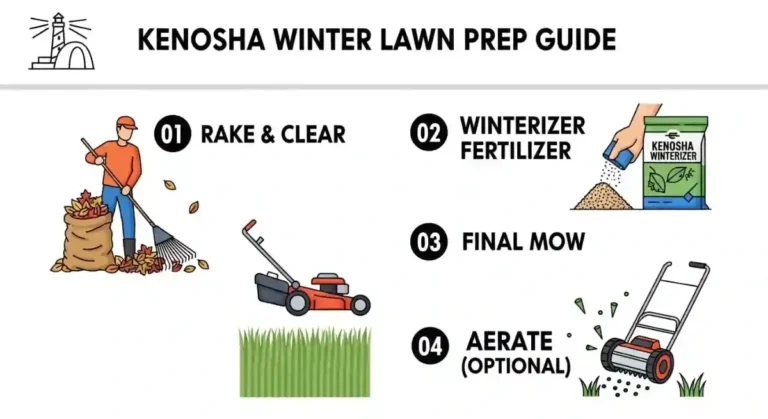
- Winter Prep (for Fall Overseeding):
- Allow the new grass to grow naturally until the first hard frost. Continue mowing at a higher height.
- A final winterizer fertilizer application (high in potassium) in late fall can help prepare both new and existing grass for winter.
Your Best Lawn is Within Reach
Navigating the nuances of aeration and overseeding in Wisconsin’s distinct growing season doesn’t have to be a guessing game. By understanding the critical role of soil temperature, regional variations, and the specific needs of cool-season grasses, you’re now empowered to make the best decisions for your lawn.
Whether you choose the DIY route with a rented aerator and a bag of quality grass seed, or you enlist the help of a local professional, remember that consistency and attention to detail are your best friends. A thick, healthy, and vibrant lawn is not just aesthetically pleasing; it’s a testament to your proactive care, enhancing your home’s value and providing a beautiful space for enjoyment.
Don’t let another season pass by without giving your lawn the boost it deserves. Take action this fall to transform your turf into the lush, resilient carpet you’ve always dreamed of.
Ready to get started? 📞 Call us today at (262) 360-0202
Invest in your lawn today, and enjoy the rewards for years to come!
FAQs | When to aerate and overseed
Helpful Lawn Care Guides for Kenosha Homeowners
Keep your lawn healthy and vibrant all year with these expert guides, tailored for Kenosha’s climate and Wisconsin’s cool-season grasses.
Optimal Grass Height for Kenosha Lawns
Learn the best mowing height to encourage deep roots, minimize weeds, and maintain a lush, green lawn. Proper mowing helps your turf stay strong and resilient year-round.
Preparing Your Lawn for Winter in Kenosha
Step-by-step tips to get your lawn ready for winter. From the final mow to protecting turf against snow mold, these strategies ensure a healthy, vibrant lawn in spring.
Southeastern Wisconsin Lawn Fertilization Calendar
Follow a seasonal fertilization schedule tailored to Wisconsin lawns. Learn what nutrients your grass needs in spring, summer, and fall to stay green, healthy, and weed-free.