Preparing Your Lawn for Winter | WI Lawn Care Guide 2025-26
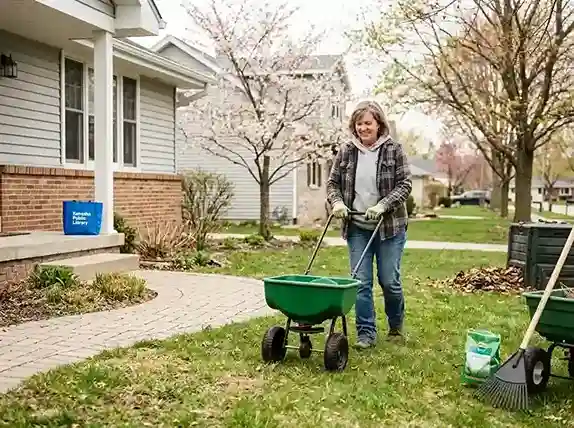
The crisp autumn air, the crunch of fallen leaves, and the scent of pumpkin spice, fall in Kenosha is nothing short of magical. But while you’re enjoying the season, your lawn is quietly preparing for its toughest challenge yet: winter. Freezing temperatures, heavy snow, and those unpredictable freeze-thaw cycles can take a serious toll on turfgrass that isn’t properly cared for.
The good news? Preparing your lawn for winter doesn’t have to be complicated. With a few smart steps this fall, you can help your grass:
- Build stronger roots to withstand harsh cold
- Retain essential nutrients for early spring growth
- Prevent damage from snow mold and ice
- Bounce back greener and healthier when warmer weather returns
After 8 years of helping Kenosha homeowners care for their lawns, I’ve seen how a little fall preparation leads to dramatic spring results. This comprehensive guide, tailored to our local climate and soil conditions, will walk you through everything you need to know about preparing your lawn for winter in Kenosha, so your yard emerges lush, resilient, and ready to thrive in 2025.
Why Winter Lawn Prep Matters (Beyond the Basics)
You might think your lawn simply “goes to sleep” in winter. While it does enter dormancy, what happens before that snooze profoundly impacts its ability to wake up strong. Neglecting your fall lawn care regimen in Kenosha can lead to a host of problems:
- Increased Disease Susceptibility: Weakened grass is more vulnerable to winter diseases like snow mold, which can leave unsightly dead patches.
- Weed Invasions: Bare spots from winter kill create open invitations for aggressive weeds like crabgrass and dandelions to germinate early in spring.
- Nutrient Depletion: Without proper feeding, your lawn depletes its energy reserves, making spring growth slow and weak.
- Soil Compaction Issues: Kenosha’s common clay-loam soils are prone to compaction, making it harder for roots to access water and nutrients, especially under snow cover.
- Pest Havens: Unraked leaves and debris provide perfect hiding spots for voles and other rodents that can cause extensive damage under snow.
Think of it as setting your lawn up for success. Every action you take now is an investment in a healthier, more beautiful yard next season, saving you time, money, and frustration down the line.
The Kenosha Lawn Care Timetable: When to Act (Late Summer to Late Fall)
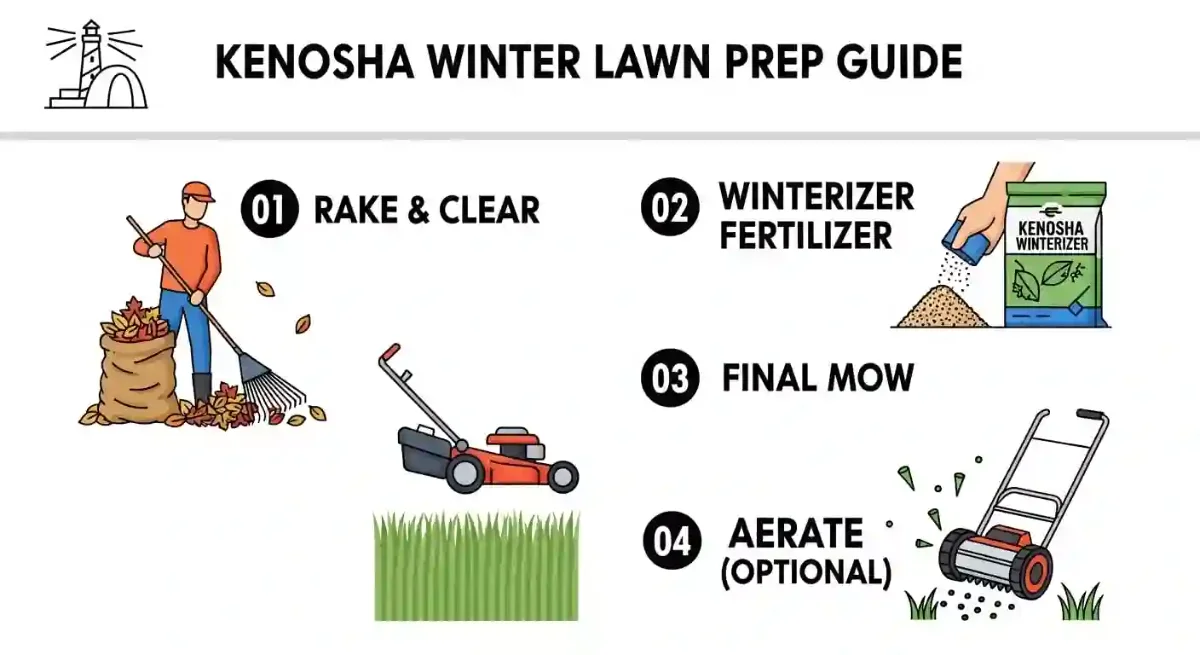
Timing is everything in lawn care, especially in Southeast Wisconsin. Our relatively short growing season means we need to be proactive. Here’s a general timeline for Kenosha homeowners:
- Late August – Early September: Ideal for aeration and overseeding.
- September – Early October: Aggressive weed control.
- Mid-October – Early November: Apply your “winterizer” fertilizer.
- Late October – Mid-November: Final mow, leaf removal, and irrigation system winterization.
Remember, these are guidelines. Kenosha’s proximity to Lake Michigan can sometimes create microclimates, so always pay attention to local weather forecasts and soil temperatures.
Weed Management Before Winter: A Proactive Approach
Fall is arguably the best time for weed control in Kenosha. Why? As perennial broadleaf weeds like dandelions, clover, and plantain prepare for winter, they actively draw nutrients down into their root systems. This makes them highly susceptible to herbicides applied in the fall, ensuring the herbicide travels deep into the root for a more effective kill.
What to Do:
- Spot Treat or Broadcast: For a few weeds, spot treatment with a liquid herbicide is sufficient. If your Kenosha lawn is heavily infested, a broadcast application might be necessary.
- Choose the Right Product: Look for broadleaf weed killers containing active ingredients like 2,4-D, MCPP, or dicamba. For eco-conscious options, natural alternatives like horticultural vinegar can work on young weeds, but are less effective on established ones.
- Timing is Key: Apply when temperatures are consistently above 50°F during the day, typically late September through early October in Kenosha, and when no rain is expected for at least 24 hours.
- Consider Crabgrass Prevention for Next Year: While you’re dealing with existing weeds, remember that a healthy, dense lawn is your best defense against crabgrass. Fall overseeding (discussed below) significantly helps.
DIY vs. Professional: How Much Does Preparing Your Lawn for Winter in Kenosha Cost?
DIY:
A bottle of broadleaf weed killer suitable for a standard Kenosha lawn typically costs $15–$40, with a hose-end sprayer adding another $10–$20.
Professional Service:
Many local Kenosha lawn care companies offer fall weed control as part of their seasonal maintenance packages. Expect to pay around $50–$200 for a single professional application on an average-sized lawn.
Want Professional Results Without the Hassle?
Save time and protect your lawn from stubborn weeds this fall with Preme Landscaping & Lawn Care in Kenosha WI. Our experts know exactly how to treat Kenosha’s toughest weeds, safely and effectively.
📞 Call us today at (262) 360-0202 or click below to schedule your fall weed control service.
👉 [Get a Free Quote] or [Book Weed Control Service]
Late Fall Fertilization (The “Winterizer” Advantage)
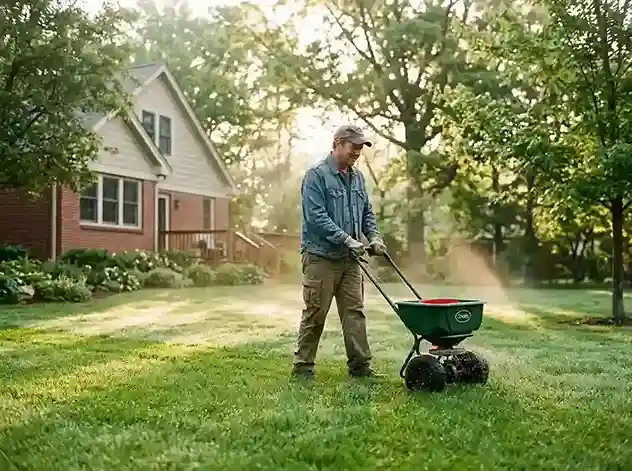
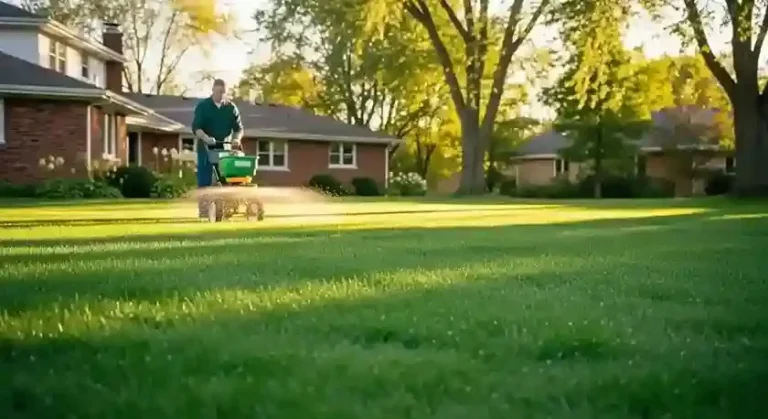
This is perhaps the single most important step for winter lawn prep in Kenosha. A “winterizer” fertilizer isn’t about promoting lush top growth (which you don’t want heading into winter); it’s about strengthening the root system and building up carbohydrate reserves. These reserves act like an energy bank, helping your lawn withstand freezing temperatures, recover faster in spring, and green up earlier.
Why it’s crucial for Kenosha: Our cold winters and often-heavy snow cover mean grass roots need all the help they can get. The lake effect can bring sudden temperature drops, making stored energy vital.
Fall Fertilization Guide: How to Prepare Your Lawn for Winter the Right Way
- Milorganite: A fantastic slow-release, organic fertilizer made right here in Wisconsin! While it’s not a traditional “winterizer” formula, its steady nutrient release supports overall turf health throughout the cold months.
- Scotts WinterGuard: A popular and effective choice, easily available at Kenosha garden centers and hardware stores like Blain’s Farm & Fleet or Menards.
- Jonathan Green Winter Survival: Another trusted brand offering targeted winterizing formulas designed to strengthen roots and prepare your lawn for harsh winter conditions.
Product Recommendations for Kenosha:
- Milorganite: A fantastic slow-release, organic option produced right here in Wisconsin! While not a traditional “winterizer” ratio, its consistent slow feeding is excellent for overall turf health.
- Scotts Winterguard: A popular choice readily available in local Kenosha garden centers and hardware stores like Blain’s Farm & Fleet or Menards.
- Jonathan Green Winter Survival: Another reputable brand offering specific winterizing formulas.
When to Apply
The ideal time to apply winterizer in Kenosha is late October to early November—right before the ground freezes but after your grass stops actively growing. Aim for evenings when temperatures are consistently in the 40s°F. Apply to dry grass, then lightly water it in if no rainfall is expected.
DIY Cost
A bag of winterizer fertilizer for an average 5,000 sq. ft. Kenosha lawn typically costs $30–$60.
Aeration and Overseeding: Rejuvenating Your Kenosha Lawn Before Winter
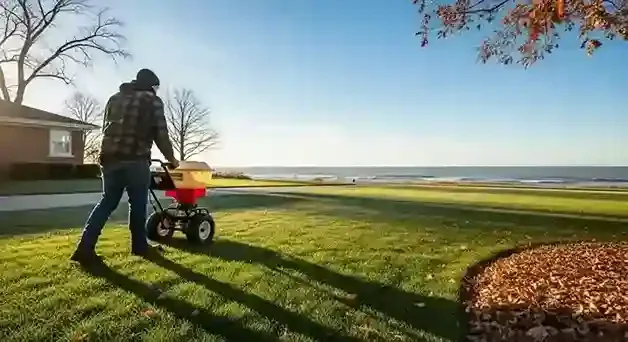
If you’re preparing your lawn for winter in Kenosha, aeration and overseeding are two of the most effective steps you can take to build a resilient, healthy lawn that bounces back beautifully in spring.
Aeration: Strengthen Your Lawn’s Foundation
Kenosha’s clay-loam soils are prone to compaction from foot traffic, lawn equipment, and rainfall. This makes it difficult for essential elements like air, water, and nutrients to reach the roots.
Aeration, removing small plugs of soil, loosens that compacted layer, promoting deeper root growth, improved nutrient absorption, and stronger turf that can withstand Wisconsin’s harsh winter.
Key Benefits for Kenosha Lawns:
- Better water and nutrient uptake
- Enhanced oxygen circulation in the root zone
- Stronger, healthier turf ready to handle winter stress
Overseeding: Revitalize and Thicken Your Turf
Combining aeration and overseeding is a game-changer for Kenosha homeowners. Overseeding adds new life to your lawn by filling bare spots and introducing fresh, disease-resistant grass varieties. The result? A thicker, greener lawn that naturally resists weeds and pests; perfect for winter preparation.
Recommended Grass Seed for Kenosha:
- Kentucky Bluegrass: Deep color and excellent self-repair
- Fine Fescues: Thrive in shade and low-maintenance areas
- Perennial Ryegrass: Fast-growing and ideal for high-traffic zones
- Blends: Look for “Northern Mix” or “Wisconsin Blend” for best all-around performance
When to Aerate and Overseed in Kenosha
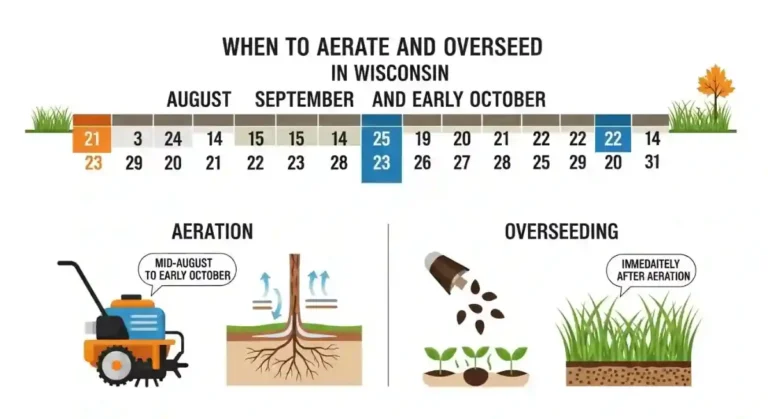
The best time to aerate and overseed your Kenosha lawn is late August through early September—when the soil is still warm enough for germination but cooler weather reduces stress and weed growth.
For those who miss the fall window, dormant seeding in late November or early December works too. The seeds will stay dormant through the cold and sprout early in spring as the snow melts.
DIY vs. Professional Aeration and Overseeding Costs in Kenosha
DIY Aeration:
Renting a core aerator from local stores like The Home Depot or Kenosha Equipment Rental costs around $50–$100 per day.
DIY Overseeding:
A 25-lb bag of quality grass seed (sufficient for about 5,000 sq. ft.) costs approximately $70–$120.
Professional Service:
Many Kenosha lawn care companies offer fall aeration and overseeding packages designed to help homeowners prepare their lawn for winter. Expect to pay $150–$350, depending on yard size and accessibility.
Ready to Get Started?
Don’t wait until your lawn turns brown and brittle, start preparing your lawn for winter today with Preme Landscaping & Lawn Care. Our expert team knows exactly how to handle Kenosha’s soil and seasonal challenges.
📞 Call us at (262) 360-0202 or click below to schedule your aeration and overseeding service before winter hits!
👉 [Get a Free Quote] | [Book Lawn Service]
Adjusting Mowing Height for Winter: The Last Cut
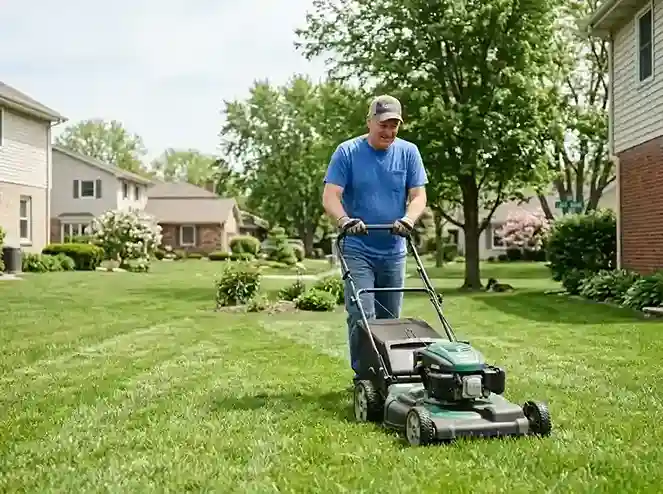
As temperatures drop in Kenosha, your mowing routine needs to change. While you’ve likely been keeping your grass around 3 inches high during the active growing season, the final few mows before winter require a slight adjustment.
What to Do:
- Gradual Reduction: For your last 2-3 mows of the season, gradually lower your mower blade by about half an inch each time until your final cut is around 2 to 2.5 inches.
- Why Shorter for the Last Cut? This slightly shorter height helps prevent matting of tall grass blades under heavy snow, which significantly reduces the risk of snow mold disease. It also ensures the turf doesn’t shelter small rodents like voles, which can gnaw on grass crowns over winter.
- When to Stop Mowing: The exact date varies, but typically, you’ll perform your final mow in Kenosha around mid-November, or once the grass has stopped actively growing (usually after a hard frost).
Remember, never scalp your lawn; even the final cut should leave enough blade to protect the crown.
Leaf and Debris Removal: Don’t Suffocate Your Lawn!
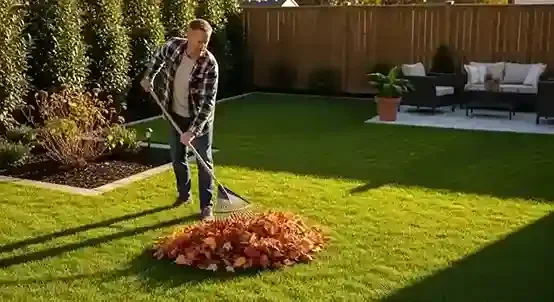
Those beautiful autumn leaves, if left on your lawn, become a suffocating blanket. Trapped moisture and lack of sunlight create a perfect breeding ground for fungal diseases like snow mold, especially when covered by Kenosha’s heavy winter snow. They also harbor pests and prevent your lawn from hardening off properly.
What to Do:
- Rake Regularly: Don’t wait until all the leaves have fallen. Rake your Kenosha lawn regularly throughout the fall.
- Mulch Them In: An eco-friendly and beneficial option! If you have a mulching mower, you can chop leaves into fine pieces. These finely shredded leaves will decompose, returning valuable organic matter and nutrients to your soil. Aim for a thin layer that allows grass to be visible.
- Use a Leaf Blower/Vacuum: For larger properties, these tools can save a lot of time and effort.
- Compost or Utilize Kenosha’s Yard Waste Services: If you can’t mulch, bag your leaves for Kenosha’s designated yard waste collection or add them to your compost pile.
Leaving leaves piled up against your house or garden beds can also invite overwintering pests, so clear those areas too!
Winterizing Your Irrigation System: A Kenosha Essential
For Kenosha homeowners with in-ground sprinkler systems, winterizing your irrigation system is non-negotiable. Water left in the pipes can freeze, expand, and crack your irrigation lines, valves, and sprinkler heads. Repairing this damage in spring can be costly and time-consuming.
What to Do
Shut Off the Water Supply:
Locate the main shut-off valve for your irrigation system, usually near your main water meter or an outside spigot, and turn it off.
Drain the System:
Open all manual drain valves (if your system has them) at the lowest points to allow water to escape.
Blow Out the Lines (Critical Step):
This is the most important step. Using an air compressor rated for 80–100 PSI (never exceed your system manufacturer’s recommendations), connect to the blow-out port and force compressed air through each zone until all water is expelled.
⚠️ Caution: Too much pressure can seriously damage your irrigation system. Only attempt if you are comfortable with pressurized air and plumbing.
Insulate the Backflow Preventer:
Wrap the backflow preventer with insulation or a specialized cover to protect it from freezing.
When to Winterize
In Kenosha, the ideal window is late October to mid-November, before the first hard freeze (temperatures consistently below 28°F). Don’t wait until the last minute!
DIY vs. Professional Costs in Kenosha
DIY:
Renting a suitable air compressor typically costs $40–$60 for a half-day. This option requires comfort with plumbing and pressurized air.
Professional Service:
Most Kenosha landscaping companies or irrigation specialists offer winterization services. Expect to pay $75–$150, depending on the number of zones and system complexity. Given the risks of DIY mistakes, many homeowners in Kenosha opt for professional service to ensure their systems are safely winterized.
Specific Considerations for Wisconsin/Kenosha Climate
Beyond the general steps, Kenosha’s specific location and climate present unique challenges and opportunities.
- Lake Effect Influence: While Kenosha doesn’t get the extreme lake effect snow of cities closer to the center of Lake Michigan, our proximity still means unpredictable temperature swings and often significant snow accumulation. This emphasizes the need for strong roots (from fertilization) and disease prevention (from leaf removal and proper mowing).
- Clay-Loam Soils: As mentioned, these soils are common here. They hold nutrients well but are prone to compaction and poor drainage. Aeration is therefore even more beneficial for Kenosha lawns.
- Snow Mold Prevention is Key: With our prolonged snow cover, snow mold (Gray Snow Mold and Pink Snow Mold) is a persistent threat. The last short mow, thorough leaf removal, and avoiding excessive fall nitrogen (use a winterizer with high K instead) are your best defenses.
- Voles and Rodents: Snow cover provides a perfect tunnel system and protection for voles and mice, which can chew on grass crowns, tree bark, and shrub roots. A clean lawn free of leaf piles and overgrown grass reduces their habitat.
- Salt Damage: If your lawn borders sidewalks, driveways, or roads that get salted in winter, plan for potential salt damage. Consider planting salt-tolerant plants in these areas or installing barriers. A good spring flush of water can help leach salts from the soil.
Preparing for Spring: Post-Winter Care Starts Now
The beauty of comprehensive fall prep is that it’s a gift to your future self. By following these steps, you’re not just surviving winter; you’re setting the stage for a spectacular spring 2025.
- Earlier Green-Up: Lawns that received a winterizer will often green up weeks earlier than unprepared lawns, thanks to their stored energy reserves.
- Increased Vigor and Density: Proper fall care leads to stronger root systems and denser turf, which means fewer weeds and a more resilient lawn from the get-go.
- Reduced Disease Pressure: With less snow mold and other winter diseases, your lawn will require less intervention in spring.
While spring brings its own set of tasks (like pre-emergent for crabgrass and initial feeding), knowing your Kenosha lawn has a solid foundation makes all the difference.
Take Action Today for a Greener Tomorrow!
Preparing your lawn for winter in Kenosha doesn’t have to be a chore; it’s an investment in the beauty and health of your home. By dedicating a little time and effort this fall, you’ll ensure your lawn weathers the harsh Wisconsin winter gracefully and emerges vibrant, lush, and ready to impress in spring 2025.
Don’t let another Kenosha winter catch your lawn off guard. Take these steps now, and you’ll be rewarded with a resilient, beautiful lawn that’s the envy of the neighborhood.
Ready to get started?
- For quality winterizer fertilizer that stands up to Kenosha winters, check out [Fictional Affiliate Link: Scotts Winterguard at Home Depot Kenosha] or explore organic options like [Fictional Affiliate Link: Milorganite at Blain’s Farm & Fleet].
- Need a reliable air compressor for irrigation winterization? [Fictional Affiliate Link: Rental options at local Kenosha tool rental stores].
- Prefer professional help for aeration or winterization? Get a free quote from trusted local Kenosha experts like [Fictional Affiliate Link: “Kenosha GreenScapes Lawn & Landscape” or “Lawn & Pest Control Xperts Kenosha”].
Your lawn will thank you!
FAQs | Preparing your Lawn for Winter
Related Lawn Care Guides for Kenosha Homeowners
Keep your lawn looking its best all year long with these expert-written guides, each tailored for Wisconsin’s climate and Kenosha-area lawns.
Best Height to Mow Grass for a Healthy Lawn
Learn the recommended grass height for Kenosha lawns to encourage deep roots, reduce weeds, and maintain vibrant green color. Proper mowing height is key to a durable, stress-resistant lawn year-round.
When to Aerate and Overseed in Wisconsin’s Growing Season
Discover the ideal timing to aerate and overseed your cool-season grass. Proper scheduling promotes strong roots, fills in bare spots, and keeps your lawn lush and healthy throughout summer.
Lawn Fertilization Schedule for Southeastern Wisconsin
Follow our Wisconsin-specific fertilization calendar to feed your grass at the right times. Learn what nutrients your lawn needs in spring, summer, and fall for vibrant, weed-resistant growth.